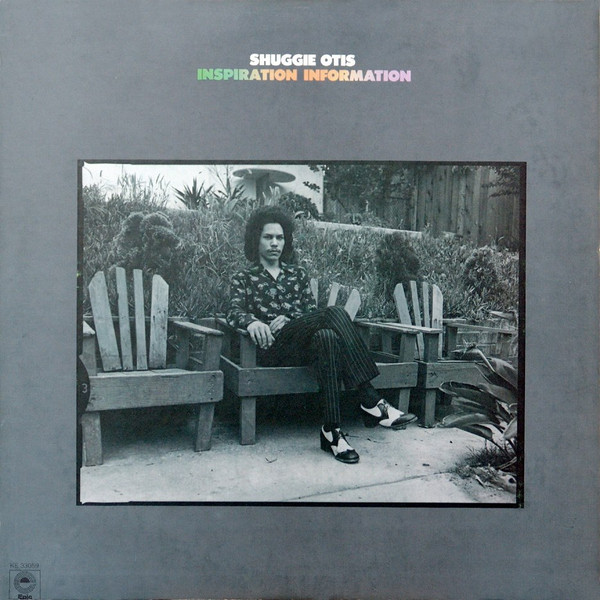
Los Angeles, 1974. Shuggie Otis ha ventuno anni e un nome ingombrante — figlio di Johnny Otis, il re incoronato del rhythm and blues californiano — ma quello che porta su nastro in questo disco non deve niente al padre né al periodo. Mentre il soul mainstream sgomitava tra Philadelphia International e Motown, Otis si chiudeva in studio per quasi tre anni, suonava tutto da solo (basso, chitarra, batteria, tastiere, percussioni) e costruiva un disco che nel 1974 non trovò né audience né critica pronta ad ascoltarlo. La Columbia gli aveva offerto di cedere Strawberry Letter 23 agli Shuggie Brothers — lui rifiutò, rimase indie, e Inspiration Information naufragò tra i vinili invenduti. Ci volle David Byrne, nel 2001, per riesumarlo nel catalogo Luaka Bop e restituirgli la dignità che meritava da sempre.
Il suono di Inspiration Information è una cosa senza categoria precisa, e questa è la sua forza. Aht Uh Mi Hed apre il lato B come un sogno ad occhi aperti: sedici minuti nella versione estesa, groove di batteria programmata ante litteram, chitarra che disegna curve invece di tagliarle, voce trattata fino a diventare quasi uno strumento melodico autonomo. È il brano che Pharrell Williams e D'Angelo hanno studiato prima di nominarlo, quello che Frank Ocean cita in intervista quando parla di solitudine e bellezza. Il lato A si apre con la title track — un funk vellutato, quasi stanco, in cui Otis sembra parlare a se stesso più che a un pubblico — e prosegue con Sweet Thang, dove il basso e la batteria costruiscono un groove che anticipa l'hip-hop di dieci anni almeno. Rainy Day chiude il lato con una malinconia acustica che spezza il mood e dimostra che Otis sa anche quando smettere di insistere.
Sul piano dell'incisione vinilica, l'originale Epic USA (1974, KE 33059) è un documento storico più che un'esperienza audiofila: le copie in buone condizioni si trovano su Discogs tra i 40 e i 120 euro, ma la qualità audio risente di un mastering frettoloso e di un budget che non prevedeva l'eternità. Il vero riferimento moderno è la ristampa Luaka Bop del 2001, che aggiunge bonus tracks e corregge l'EQ. Per chi vuole il massimo sul piatto, la ristampa Epic/Legacy su 180g degli anni recenti offre un soundstage più pulito e bassi con più corpo — il groove di Aht Uh Mi Hed finalmente occupa il posto fisico che merita tra le casse. La testina ringrazia, le pareti vibrano.
Inspiration Information è uno di quei dischi che non invecchiano perché erano già fuori dal tempo quando uscirono. Non è un disco soul nel senso convenzionale — mancano i cori, l'orchestrazione, la narrativa del cuore spezzato. È un disco di uno che stava inventando qualcosa senza sapere ancora come si chiamasse. Il brano da cui partire è Aht Uh Mi Hed: mettetelo a volume alto, lasciate che le tredici-sedici battute iniziali vi portino dove vogliono, e poi cercate di spiegare perché nessuno lo comprò nel 1974. Non ci riuscirete.
Los Angeles, 1974. Shuggie Otis is twenty-one years old and carries a loaded surname — son of Johnny Otis, the crowned king of California rhythm and blues — but what he commits to tape on this record owes nothing to his father or to the era. While mainstream soul was elbowing for position between Philadelphia International and Motown, Otis sealed himself inside a studio for nearly three years, played every instrument himself (bass, guitar, drums, keyboards, percussion) and assembled a record that in 1974 found neither audience nor criticism ready to receive it. CBS had offered to hand Strawberry Letter 23 to the Brothers Johnson — he declined, stayed independent, and Inspiration Information sank quietly among unsold vinyl. It took David Byrne, in 2001, to exhume it for the Luaka Bop catalogue and restore the dignity it had always deserved.
The sound of Inspiration Information resists clean categorisation, and that resistance is its defining quality. Aht Uh Mi Hed opens Side B like a waking dream: sixteen minutes in its extended form, drum patterns that prefigure programmed rhythm years before the technology became standard, guitar lines that curve and float rather than cut, vocals processed until they function as a near-autonomous melodic instrument. It is the track Pharrell Williams and D'Angelo absorbed before citing it, the one Frank Ocean references in interviews when he talks about solitude and beauty in music. Side A opens with the title track — a velvet, almost weary funk in which Otis seems to address himself rather than any audience — and moves through Sweet Thang, where bass and drums construct a groove that anticipates hip-hop by at least a decade. Rainy Day closes the side with an acoustic melancholy that fractures the mood and proves Otis also knows when to stop pressing.
On the question of vinyl pressings, the original US Epic (1974, KE 33059) is a historical document more than an audiophile experience: clean copies surface on Discogs between forty and a hundred and twenty euros, but the audio quality reflects rushed mastering and a budget that did not anticipate posterity. The genuine modern reference is the 2001 Luaka Bop reissue, which appends bonus tracks and corrects the EQ. For those demanding the best on the platter, the recent Epic/Legacy 180g pressing delivers a cleaner soundstage and fuller bass weight — the groove of Aht Uh Mi Hed finally occupies the physical space between speakers that it always deserved. The cartridge will thank you; the walls may not.
Inspiration Information is the kind of record that does not age because it was already outside of time when it appeared. It is not soul in any conventional sense — no backing choir, no orchestral arrangement, no heartbreak narrative. It is the work of someone inventing a language without yet having a name for it. The track to begin with is Aht Uh Mi Hed: play it loud, let the opening bars take you wherever they choose, then try to explain why nobody bought it in 1974. You will not manage it.
Un capolavoro dimenticato per trent'anni e mai davvero sopravvalutato da quando è stato riscoperto. Cercate la ristampa Luaka Bop o la 180g Legacy, mettete Aht Uh Mi Hed a volume pieno, e ringraziate David Byrne.
A masterpiece forgotten for thirty years and never truly overrated since its rediscovery. Find the Luaka Bop reissue or the 180g Legacy, play Aht Uh Mi Hed at full volume, and thank David Byrne.