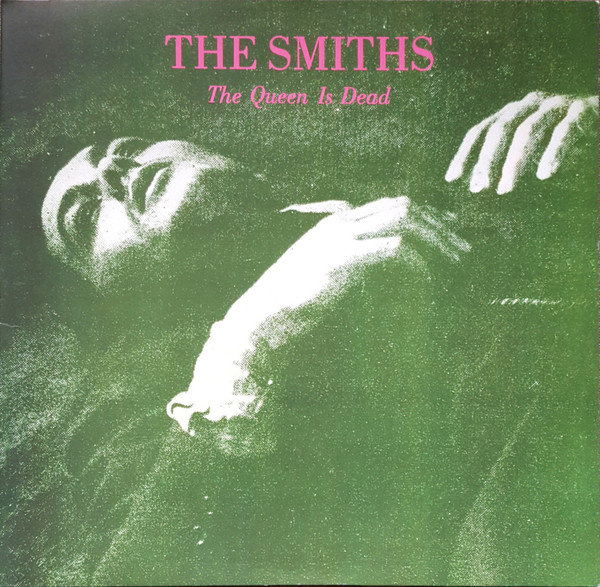
Il 1986 è l'anno in cui la musica britannica si divide in due: chi è già stato toccato dai The Smiths e chi sta per esserlo. Per capire cosa significa The Queen Is Dead nel percorso della band, vale la pena ricordare da dove arriva. Meat Is Murder (1985, Rough Trade ROUGH 81) aveva già dimostrato che Morrissey e Marr potevano sostenere un concept politico per un'intera facciata senza perdere la leggerezza pop che li distingueva — ma era anche un disco più grezzo, meno rifinito nell'arrangiamento. The Queen Is Dead è il passo successivo: stessa urgenza, tensione formale più alta. La critica li ha già incoronati, il pubblico li adora, e il fragile equilibrio tra Morrissey e Marr sta per spezzarsi per sempre. In questo contesto di splendore e dissoluzione imminente nasce un disco che non teme il confronto con nulla di contemporaneo.
Marr costruisce una chitarra che non assomiglia a nessun'altra nella storia del rock britannico: arpeggi veloci come pensieri, accordi che cambiano prima che l'orecchio li aspetti, una tecnica che cita contemporaneamente gli anni Cinquanta americani e il flamenco spagnolo. Il risultato è una texture sonora che su There Is a Light That Never Goes Out raggiunge qualcosa di trascendente — i bassi di Andy Rourke e la batteria di Mike Joyce costruiscono una progressione armonica semplice come un canto popolare, mentre Morrissey trasforma un banale giro in macchina in un'ode alla morte romantica che dopo quarant'anni non ha ancora perso un grammo del suo peso. Bigmouth Strikes Again è il lato opposto — veloce, elettrico, quasi punk nel ritmo — mentre Cemetery Gates è la dimostrazione che si può citare Keats e Yeats in una canzone pop senza sembrare accademici.
Il pressing originale UK su Rough Trade (ROUGH 96, 1986) è il riferimento assoluto — produzione di Morrissey e Marr con Johnny Porter, masterizzato con una cura artigianale che trasuda da ogni solco. Le chitarre di Marr hanno una presenza nei medi che nessuna ristampa ha ancora replicato completamente, e il gatefold con le note interne è un oggetto editoriale di per sé. La ristampa 2017 Rhino/Warners è la scelta più accessibile e suona onestamente bene — master curato da Bob Ludwig da nastro analogico, pressing 180g silenzioso, spazialità del soundstage migliorata rispetto alle versioni intermedie.
The Queen Is Dead non è il disco più venduto dei The Smiths né il più accessibile per chi li ascolta per la prima volta. È però il disco in cui Morrissey e Marr toccano simultaneamente il loro apice — il testo e la musica si sostengono a vicenda con una precisione che raramente si vede nella musica popolare. Un disco che non invecchia perché non è mai stato davvero figlio del suo tempo.
1986 is the year British music divides in two: those already touched by The Smiths and those about to be. To understand what The Queen Is Dead means in the band's arc, it helps to know where they came from. Meat Is Murder (1985, Rough Trade ROUGH 81) had already proved that Morrissey and Marr could sustain a political concept across an entire side without losing the pop lightness that set them apart — but it was also a rawer, less refined record. The Queen Is Dead is the next step: same urgency, higher formal tension. Critics have already crowned them, audiences adore them, and the fragile balance between Morrissey and Marr is about to break forever. In this context of splendour and imminent dissolution, a record is born that fears no comparison with anything contemporary.
Marr builds a guitar sound unlike anything else in British rock history: arpeggios fast as thoughts, chords that shift before the ear expects them, a technique that simultaneously references American Fifties music and Spanish flamenco. The result is a sonic texture that on There Is a Light That Never Goes Out reaches something transcendent — Andy Rourke's bass and Mike Joyce's drums build a harmonic progression as simple as a folk song, while Morrissey transforms a mundane car ride into an ode to romantic death that forty years on has not lost a gram of its weight. Bigmouth Strikes Again is the opposite — fast, electric, almost punk in its rhythm — while Cemetery Gates proves you can quote Keats and Yeats in a pop song without sounding academic.
The original UK pressing on Rough Trade (ROUGH 96, 1986) is the absolute reference — produced by Morrissey and Marr with Johnny Porter, mastered with an artisanal care that seeps from every groove. Marr's guitars carry a mid-range presence no reissue has fully replicated, and the gatefold with inner sleeve is an editorial object in its own right. The 2017 Rhino/Warners reissue is the most accessible choice and sounds genuinely good — master by Bob Ludwig from analogue tape, quiet 180g pressing, improved soundstage spatiality.
The Queen Is Dead is not The Smiths' best-selling record, nor their most accessible entry point. It is, however, the record where Morrissey and Marr simultaneously touch their peak — text and music supporting each other with a precision rarely seen in popular music. A record that doesn't age because it was never truly a child of its time.
Il miglior disco dei The Smiths e uno dei migliori degli anni Ottanta. There Is a Light That Never Goes Out da sola vale il prezzo del vinile. Cercate la prima pressa Rough Trade — o accontentatevi onestamente della 2017 Rhino.
The Smiths' finest record and one of the best of the Eighties. There Is a Light That Never Goes Out alone is worth the price of the vinyl. Seek out the Rough Trade first pressing — or settle honestly for the 2017 Rhino.